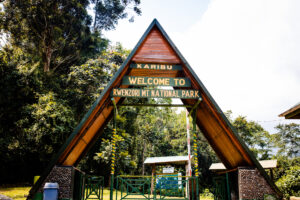
At last, here is your affordable, easy scheduled ride to Ruboni Village, that works like any other efficient public transport in the developed world.
Traveling across Uganda can be a real adventure, and sometimes a 28km journey feels just as tricky as crossing countries in Europe, especially if you haven’t planned ahead. But don’t worry! That’s where our scheduled ride to Ruboni Village comes in, making things a whole lot easier for you to explore the Rwenzori mountains.
If you’re headed to Ruboni Tourism Village, we’ve got you covered. Now, you can travel smoothly from anywhere in Uganda to Ruboni Village, with a special shared taxi option that makes the 28km journey from Kasese town effortless. No more scrambling for transport!
When you travel anywhere in Uganda, public transport (taxis, buses, flights) will get you to Kasese town. But once you’re there, Ruboni Village doesn’t have public transport, and many visitors end up paying a pretty penny for private car hires or hopping on a bodaboda, which isn’t always the most secure or comfortable option when you’re on holiday.
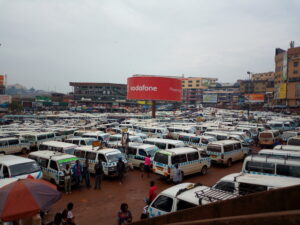
That’s why we’ve teamed up with Ruboni Community Camp and Rainforest to offer a scheduled, Easy shared transport service. This is a perfect way for you to save both time and money while getting to Ruboni in comfort. Our scheduled trips run between Ruboni and Kasese town on the 28km route.
We have seven trips every day—four from Kasese to Ruboni and three from Ruboni to Kasese. We feel this should cover almost everyone planning to go to Ruboni each day and giving suffiencnt time to enjoy the Rwenzori Mountains landscape. It also means that even day tripers can book a return trip in the same day without a problem. Right now, in 2025, the fare is just 25,000 UGX per person for a one-way trip. Surprisingly, this is close to or the same fare you will pay for the Bodaboda if you don’t want to take this opportunity.
| Time | From | To |
| 7:00am | Ruboni | Kasese town |
| 9:00am | Kasese town | Ruboni |
| 11:00am | Ruboni | Kasese town |
| 1:00pm: | Kasese town | Ruboni |
| 3:00pm: | Ruboni | Kasese town |
| 5:00pm: | Kasese town | Ruboni |
| 7:00pm | Kasese town | Ruboni |
To grab your seat, all you need to do is book at least three hours before departure. So, whether you’re leaving Kampala the same day or still doing a little shopping in Kasese, you can book and still get your spot.
This shared transport service isn’t just for guests of Ruboni Community Camp—it’s available for anyone staying anywhere in Ruboni Village, from Rwakingi to Mihunga Park Gate. You can check out the interactive map of Ruboni Village to see how close your accommodation is to the route, which takes you from Kasese all the way up to the park gate.
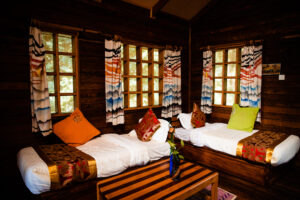
Before we introduced this service, getting to Ruboni was a bit of a headache, and tourism businesses in the area were feeling the pinch. Now, with this new transport option, it’s easier, cheaper, and more convenient for visitors to get where they need to go.
We’ve partnered with local taxi drivers who are happy to add more trips if needed—at no extra cost! So, if you need a different departure time, just let us know. We’re flexible.
Just remember, to arrange a trip, you’ll need to book at least three hours in advance. And while night trips can be tricky to organize, they might come with a small additional charge and will need to be set up during the day.
If not familiar with Ruboni, it is first important to note that Ruboni is a Best Tourism Village by the UN Best Tourism Villages standard As an outstanding rural tourism destination preserving and promoting community based values products and life styles while committed to sustainability and using tourism as one of the drivers of rural development and community well-being.
Ruboni is the only village of the Kind in Uganda and the third one in East Africa by 2025. It was awarded this title in the Best Tourism Villages 2024 version. This is why, while in Ruboni, you can participate in a long list of nature, cultural and sightseeing activities that you will find anywhere else in Uganda.
Those willing to relax and do nothing, Ruboni is ideal for you too. You can just come and order your delicious lunch in one of the local hotels and restaurants and enjoy it while taking the breathtaking views of the mountains. Most interestingly, The hotels in Ruboni serve food made out of locally grown organic ingredients from the households to ensure that you eat healthy, reduce pollution and support local livelihoods during your stay.
You can book your transport spot by contacting through Whatsapp today!
Do you have any questions about Ruboni village? This Village is nestled at the foothills of the awe-inspiring Rwenzori Mountains in Uganda. It has recently earned recognition as one of the Best Tourism Villages of 2024, marking it as the first village in Uganda and the third in East Africa to receive this prestigious title. This accolade is a testament to Ruboni’s commitment to sustainable tourism and community-based development. Visitors from all over the world are increasingly drawn to this hidden gem for its community experience, breathtaking landscapes, and authentic cultural activities. Here’s an insight into the daily life and structure of Ruboni Village, and why it’s a must-visit destination in Uganda.
Ruboni is a unique and thriving community where local livelihoods blend agriculture, tourism, and commerce. Agriculture, primarily subsistence farming, plays a crucial role in the village’s economy, alongside an emerging agro-value addition sector. Recently, Ruboni has also seen an increase in commerce, with small businesses sprouting across the village. There are three primary trading centers: Ibanda Trading Centre, Nyakabugha Trading Centre, and Nyakalengijo Trading Centre. These centers are alive with local energy, offering everything from fresh produce and goods to snacks and artisanal crafts.
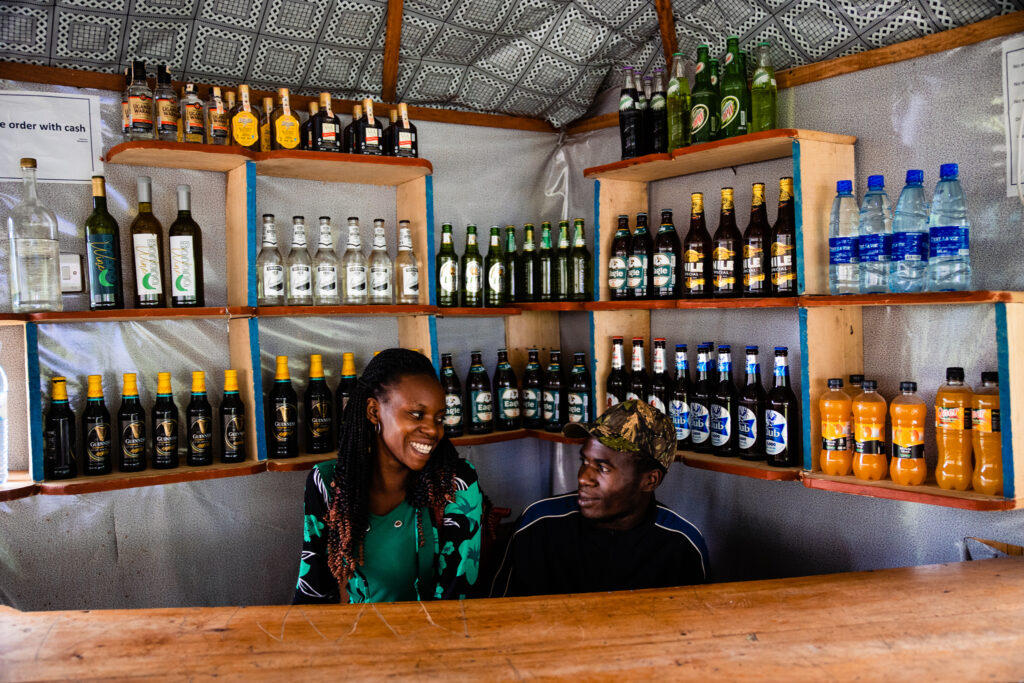
The village’s small shops, often constructed from earth, brick, timber, or concrete, line the roadside. While most shops are modest in design, they serve as hubs of activity where locals gather to buy, sell, and socialize. You’ll find a variety of goods in these shops, from foodstuff to clothing, but the most interesting aspect of these local markets is the vibrant atmosphere of the small bars at the back of these buildings. Here, you can join the locals for a glass of homemade local gin, share stories, and learn more about the customs and culture of the village.
The people of Ruboni are increasingly embracing value addition of local produce that contribute to the local economy. From banana wine production to coffee roasting and the crafting of traditional arts and crafts, Ruboni showcases a blend of innovation and tradition. For visitors, this provides a unique opportunity to engage in hands-on experiences. Whether you’re interested in tasting locally-produced coffee, buying a hand-crafted piece of art, or learning how vanilla is cured, there’s something for everyone.
One of the most fascinating aspects of Ruboni is its focus on organic farming. A dedicated group of women in the village specialize in cultivating vegetables without artificial chemicals, using traditional organic inputs like wood ash and animal manure. These women are not only part of the sustainable tourism value chain but are also integral to the community’s efforts to reduce pollution and promote healthier lifestyles.
As you wander around Ruboni, you’ll notice the distinct residential patterns that blend harmoniously with the natural environment. Most residents live along the road or perched on the hillsides, with homes strategically built to avoid rock falls and landslides while ensuring easy access to water and transportation. The architecture of these hillside homes is a reflection of the community’s traditional knowledge and ingenuity, passed down through generations.
For a deeper understanding of Ruboni Village, make sure to visit the Community Visitor’s Center. This is the heart of the village’s sustainable tourism efforts and serves as a hub for visitors and locals alike. The center provides a wealth of information about the village, its history, and the experiences available to tourists. More than just a tourist information point, it is a community-run enterprise that supports the local economy by providing employment, skills development, and business incubation opportunities for women and youth.
The Center also hosts a variety of local enterprises, including a kitchen serving traditional meals, a handicrafts shop, a food basket stall offering organic produce, and even a traditional dance arena where visitors can witness the vibrant Bakonzo cultural performances. The Center also features clean bathrooms, showers, and a campsite for visitors wishing to immerse themselves even further in the village life.
How to Engage with the People of Ruboni Village
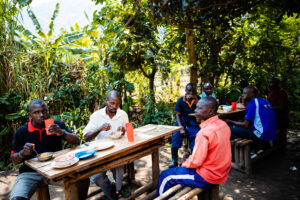
Ruboni Village offers a range of cultural experiences that allow visitors to interact with the locals in their homes and daily lives. Whether it’s a farm tour, cooking lesson, or simply chatting with the residents, you’ll have the chance to gain authentic insights into the way of life in this village. Visitors are encouraged to participate in agricultural activities, learn local cooking methods, or help tend to animals. These immersive experiences are not only educational but also offer a truly community-driven tourism experience that goes beyond typical sightseeing.
Sustainable and Responsible Tourism in Ruboni
Ruboni Village is an excellent example of sustainable tourism in action. Through responsible travel practices, Ruboni is working to protect its cultural heritage and natural environment, while also creating opportunities for economic growth. As a visitor, you contribute directly to the community’s development through participation in local tours, purchases of handcrafted goods, and support of local businesses.
To ensure the village’s sustainability, Ruboni encourages visitors to respect local customs and engage in eco-friendly practices. The village has no ATM or bank facilities, so visitors are advised to carry cash in small denominations (Ugandan Shillings) and make use of mobile money services where available. This is a reminder that Ruboni remains a rural, off-the-beaten-path destination, where modern conveniences are minimal, but the authentic, unspoiled experience is plentiful.
To get more information about Ruboni village inspiring journey to sustainability, you can read here
Attractions in Ruboni Village
Ruboni Village is rich in unique experiences, making it one of the top attractions in Uganda’s tourism sector. Here are just a few highlights:
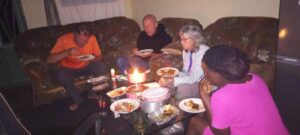
Ruboni Village offers a range of accommodation options that cater to various budgets and preferences. From camping at the Community Visitor’s Center to eco-lodges and home stays, there is something for every traveler. To make your trip even easier, you can book and pay for all your activities and accommodations via the Ruboni Village Mobile Application, available on the Visit Ruboni website.
If you’re wondering how to get to Ruboni Village from Kasese, Fort-portal or Kampala, here is the guide. We have got easy transportation means from these locations or anywhere else you may need to be picked.
If you’re travelling with a tour operator, ask them to travel to Ruboni village and they will likely find out how. The key landmarks one can look for on Google maps are; Ruboni community camp, and you will get directions from anywhere around Uganda.
You can also search the easy sightseeing map of Ruboni village and follow to find the routes and accommodations.
This bellow is for people travelling independently, here is a simple direction to Ruboni by road;
From Kasese town, drive 10km. on fort portal road, after crossing river Ssebwe, branch left at Nkenda Electric terminal following the signs of Rwenzori mountains national park. From fortportal, drive for 65 km on Kasese road. This will lead you to past river mubuku. Here you will brasnch off right at Nkenda Electric terminal. The key land mark at the branching place are the many steel electric pillers. After branching, You will drive 17km on the Nkenda Nyakalengijo road (called Muramba road on google maps) until you reach your booked accommodation or at the community visitors center to book the accommodation or activities.
Conclusion
Ruboni Village offers an unforgettable, authentic experience for travelers looking to immerse themselves in Ugandan culture while supporting sustainable tourism and community development. Whether you’re interested in adventure, cultural immersion, or simply enjoying the beauty of the Rwenzori Mountains, Ruboni is a destination that promises an enriching and rewarding experience. As one of the Best Tourism Villages of 2024, Ruboni is set to become a must-visit destination for travelers in Uganda and beyond. Visit Ruboni and witness firsthand how tourism can be both a force for good and a gateway to an incredible journey.
Many people and travelers are asking why Ruboni is 1 unique destination in Uganda, when they hear the recent recognition of Ruboni in Uganda, as a Best Tourism Village and an award winner By Best tourism Villages of the United Nations World Tourism Organization. Yes, the writer confirms that Ruboni village is a must visit on your trip to Uganda
Ruboni tourism village is a special destination that all travelers who love nature and culture must visit. While in Ruboni visitors learn the journey and effort the local community has taken to improve the status of the environment and economy both on community and household levels.
As Uganda is often referred to as the “Pearl of Africa,” Ruboni Village stands out as the true pearl of Uganda. This charming destination offers everything a traveler could wish for. In Ruboni, you can explore towering mountains, lush forests, and encounter primates in their natural habita. The village is located next to a National park, a UNESCO World Heritage site, and a Ramsar site, making it an ecological treasure.
Visitors can enjoy delicious local cuisine, unique crafts, and exhilarating safaris to Queen Elizabeth, the savanna landscapes bellow the Rwenzori Mountains.
Ruboni also boasts the rare experience of snow at the equator, and the Mubuku River, which contributes water to the Nile.
Additionally, Ruboni offers rich cultural experiences and unforgettable coffee adventures, making it an essential stop for any traveler in Uganda.
Ruboni village tourism activities started in 1998 as a result of the natural resource crisis that emerged after Rwenzori Mountains National Park had started in 1991. At this time, the village residents who were farming in the forest reserve before it was gazetted into a national park, didn’t have where to cultivate. This means, agriculture land, source if firewood, medicine, foods and other natural resources reduced.
As the pressure on the household land increased, the land output lowered, the tree cover reduced and the conflicts with the park increased since people kept trying to enter the park to get bush meat, wood products, medicines and gathering natural materials required for household use.
In 1998, the village members came together to form Ruboni Community Conservation and development Program (RCCDP). The mission of forming RCCDP was to encourage local community participation in environment conservation, with an aim of benefiting the entire community through sustainable development.
At that time (1998), Ruboni village was already seeing visitors, but was not receiving any. 100% of the visitors to Rwenzori were mountain trekkers. Guests used to pass through Ruboni village to and from the mountain trek, on the central circuit trail.
The first action of RCCDP was to create community tourism products and activities. The aim was to create an alternative income generating activity to supplement agriculture.
To further address the issue of land degradation and famine, the community embarked on tree planting and soil and water conservation on household gardens within Ruboni village. This group of locals would mobilize the whole community to work on a particular member’s garden each day. The communal gardening work included digging contours, terraces, making compost manure, and water retainers.
Along with these tourism and conservation activities, Ruboni community would provide other training, Skilling and capacity building programs to create awareness and other alternative livelihoods. These interventions included adult literacy classes, hand crafts production, savings and credit schemes, animal revolving initiatives etc.
Community tourism was initiated in Ruboni village starting with a village walk, and putting up one safari tent (with two beds) on rented land within the community. At that time, there was no visitor wilting to or even knowing that there is a possibility of spending a night in Ruboni village. Meanwhile, the village walks were conducted in the household land and homes, in the hills, valleys and residential areas of the village.
RCCDP had signed a benefit sharing agreement with the forest owners. These few families would take 30% of the fees paid by the few tourists buying the village walk experience, and the community takes 80% to pay the guides, do marketing and management. As the small numbers of tourists kept staying and walking around the village, something worse happened. The need for natural resources and degradation increased on these forest pockets.
Soon the few forests in the valleys were wiped by the households for firewood, building materials, charcoal and other needs. The Community tourism idea seemed to hit a snag. Ruboni was forced to stop paying the forest owners since the forests had been cut or reduced. Then conflicts started to arise between the guides and landowners during the walks, as the land owners started asking for money everywhere the guests pass in the village, as the need for income increased in individual residents pockets.
As the situation got harder for Ruboni community tourism initiative, this was the time for a big solution that none of the community members imagined. The community used the little tourism savings (plus some donation from two friends) to buy an acre of land to build a community lodge closer to the park. It is on this land that Ruboni community camp is located. In the same year 2000, the community bought the first acre for the forest reserve, next to the park, north of River Mubuku in Buraru Village.
Through educating the guests and community about the crisis and needs of Ruboni community, RCCDP was able to get partners from among their community tourism visitors. These partners provided support to supplement the little tourism effort and the communal labor that was offered to help address the identified social and environmental problems. In a period of three years, Ruboni village had constructed a tourist lodge on a communal land and already accommodating guests. This lodge had two bedrooms, a restaurant, toilets and showers. They had also bought up to 20 acres of degraded forest next to the park. The restoration of the forest was being carried out while taking the guests for walks in this forest land.
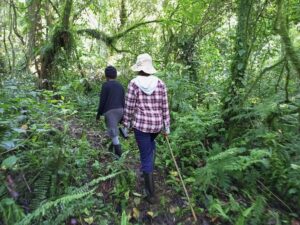
At the time, in the year 2004 Ruboni was already accommodating guests in their own Community lodge and taking guests for a walk in their own community forest. The lodge and forest were a perfect sustainable solution to renting land for the campground with the one safari tent, and conflicting with the farmers when they claimed payments from visitors through the village. Along with the forest trail and accommodation, Ruboni established the village walk, traditional dance and a hill trek experience on the land that Uganda Community Tourism Association (UCOTA) had just bought for the community to restore natural forest on.
By the time, only 5% of the mountaineers were staying in the lodge and walking in the forest/ village before and after their trek to the Rwenzoris. This development stage was also the greatest learning and knowledge sharing stage for the members of Ruboni village, the tourists and other stakeholders
Over the years, until the time of winning the best Tourism Villages award, Ruboni has employed all the innovative strategies to enhance sustainability in tourism of Ruboni village. To cut the long story short, to date Ruboni Village has achieved the following on this long sustainability journey;
Along the way, Ruboni is the only fully owned and run community tourism enterprise that invests all its profits into the community. The founders of this community tourism initiative have handed over the powers of ownership, management and benefits to the next generation of youth in the village. This has set a good example and best practice for a local rural community coming together to solve an environmental crisis with minimum intervention of government or external investment.
As a result, many other community tourism products and activities have sprouted in Ruboni village targeting the same market. By this time, the numbers of visitors coming to experience Ruboni village attractions and activities without entering the park have increased from 5% to 95% of the visitors coming to the area. This meaning, now the village received more visitors than those who are planning to go trekking in the Rwenzori Mountains National Park. Ruboni village has turned the challenge into a benefit.
No wonder Ruboni is the first and currently the only village that has received this sustainability award in Uganda, the third in East Africa after Rwanda and Kenya and the 13th in Africa, including;
To enhance collective sustainability in the whole village, Ruboni community has gone an extra mile in sustainability. We have further consolidated all tourism service providers in the village to develop promote and sell Ruboni as one product. This product is thus Ruboni Tourism Village. This is why, from 2020 and on we no longer talk about RCCDP or Ruboni Community Camp. We sing a new song of Ruboni Tourism Village. It is this collective village that received the Best Tourism Villages award from UN Tourism.
Ruboni Tourism village is a result of a 22 years journey of success after success. This is worth celebrating, and the best Tourism Villages award is worth for Ruboni community. Listening to the story anyone will be inspired during the visit and experience of Ruboni tourism activities.
Ruboni Tourism Village is a pool of unique tourism experiences showcasing the nature and cultural heritage of the Rwenzori Mountains of the Moon. It is collection of ten tourist accommodations including campsites, lodges, guesthouses and home stays. It is also a composition of over ten tourist activities that can be done by visitors coming to the village. These activities include;
Besides these activities in the village, outside the park, Ruboni village also sells three different tours inside Rwenzori Mountains National Park including a one-day nature walk, Mahoma trail and the central circuit trail to margarita and other peaks.
How to book Ruboni has also been improved greatly. It is possible to book all accommodation and activities by just one call. The introduction of a mobile application and credit card payment system has even made it easier for people planning to visit Ruboni. Everything about experiencing Ruboni is consolidated at the newly established Community visitors centre.
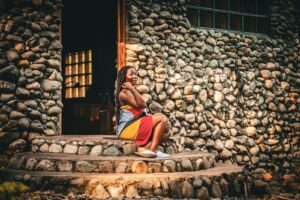
If you have reached in the area and arrive at the Ruboni tourism visitor’s center, you will be able to find all information. The map of the village with all attractions, a sales point for all activities and accommodation. We believe that soon or later, all travelers will be able to find this one point where accommodation and activity booking and information can be found at once. You can already try the link here to download the mobile application and access all activities and accommodation in Ruboni village.
Through the visitors center, those who will travel by public to Kasese town, can book their slot on the shared transport to the area. more information about this service can be read here
To further enhance sustainability, collective village tourism guidelines will be launched with support from the local government to ensure that all tourism service providers and visitors operate and or travel sustainably during their experience. This guideline will include a bunch of sustainability policies to give guidance to the stakeholders.
On the aspect of special inclusion and decent job creation, Ruboni village has initiated and supported women to equally participate in and benefit from tourism. Involvement of tourism in extensively conserving natural resources through tree planting, conservation awareness, alternative livelihoods and partnerships creation is another high score of Ruboni sustainability in tourism.
it is probably your time to come and experience Ruboni village. the journey starts with going to the village website
We have the biggest news for tourism in Ruboni village for both residents and the visitors. Ruboni village has been awarded a Best Tourism Village title during UNWTO Best Tourism Villages 2024 recognition for top rural sustainable tourism destinations around the world.
As one enters Ruboni village, the indications are clear. The village has been recognized for her effort in contributing to natural environment conservation, gender equality in tourism, digitization of tourism operations, among others. Ruboni has been on this sustainability journey since 1998, when the local residents of Ruboni village came together to encourage local community participation in environment conservation with an aim of benefiting the entire community through sustainable development. It shows that achieving sustainability has been the goal of Ruboni village from the beginning, 25 years ago.
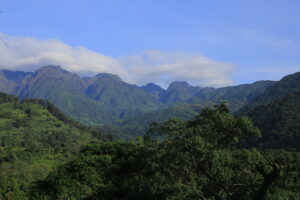
Ruboni village is endowed with such beautiful landscapes, forests and the scenic views of the Rwenzori Mountains. Ruboni village tourism activities provide an opportunity for visitors to experience Rwenzori mountains in a unique way. During these tours, the local people showcase the local culture as it has been practiced over generations and how the residents are facing the impacts of climate change.
Ruboni Village has ten different tourism activities that guests can participate in during their stay and ten accommodation facilities including lodges, hostels, campsites and home stays.
This is probably the biggest Tourism news for Uganda tourism in 2024, as this is the first time a village in Uganda has received this award since the program was started by UNWTO in 2021. Ruboni is the first village to get this award in Uganda. It is also the third village in East Africa after Nkotsi Village in Rwanda and Olergesailie village In Kenya both awarded in the UNWTO Best Tourism Villages 2021 version.
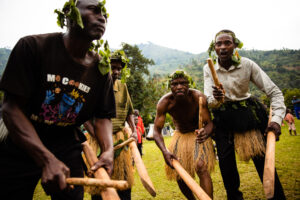
For those looking to experience this village, it is easy to arrange the trip to this unique village. You can contact the village directly or any tour operator in Uganda. Ruboni is located in kasese district, western Uganda in the foothills of Rwenzori Mountains, north of queen Elizabeth National Park. The driving distances are; 380km km from Kampala, 80km from fortportal or 26km from Kasese town.
From Kasese town, drive 10km on fort portal road. You will then branch left at Nkenda electric terminal and drive for 17km towards the park gate. Ruboni village is located in the Mubuku valley at the Mihunga gate to Rwenzori Mountains National Park.
Ruboni village can be visited all year round. However, the best visitis are during the dry season of January-March and June – August every year. These two are also the peak seasons to climb mount Rwenzori. However, during the rainy seasons, one has high opportunities of finding scenic days that showcase the breathtaking landscapes.
The packing list for Rwenzori must have the rain gear, trekking shoes, warm clothes and all the others as can be found on our packing list. The packing list for Ruboni is the same as for Rwenzori Mountains, if one is to explore well. The use of items will depend on what one wants to participate in, but most of them will cut across the village walks, forest nature walks, mountain trekking or just visiting to spend time with the home located on the foothills.
This recognition means a lot to Ruboni village. We anticipate that this stamp will eneble many visitors find Ruboni and add it on their trip. The village is also continuously building conservation, community development and tourism development partnerships to created value and continue use tourism to improve the local lives sustainably.
The main economic activity in Ruboni village is agriculture. Tourism is a supplement to agriculture since the village is located near Rwenzori Mountains a major tourist attraction in Uganda. Rwenzori is a major and most unique attraction. It is a National park created by the Ugandan parliament, a world heritage site by UNESCO, and a Ramzer site.
Tourism in Ruboni is not very young. Ruboni is located in the oldest rout that leads trekkers to the highest snow peaks on the Rwenzori Mountains. These peaks include Margarita, the highest at 5109 meters and others including
For many years, Most Rwenzori trekkers have been going through Ruboni village. However, staying in Ruboni village or participating in the social and cultural activities in Ruboni village only started in 1998 when Ruboni community members started the Ruboni Community Conservation and Development Program. This community group established the first community tourism lodge (Ruboni Community Camp) and the community guided tours.
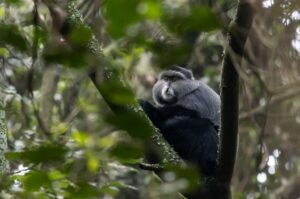
The establishment of the accommodation, village tours and other local authentic encounters has created an opportunity for the local people to share their local farming and living experiences with the travelers. This in return creates opportunities for knowledge exchange, and income, some of which is ised for conservation and community development in the different aspects.
As Ruboni village was facing a problem of low visibility and low visitor numbers due to low marketing, this award and recognition will put this destination to a limelight and on the table of potential travelers, a force that will lead to more visitors, more stays and more income to support the conservation and development goals of the village.
Ruboni village has known that Exessive visitors can be detrimental to the social, cultural and natural environment in the village. This is why the village has taken the necessary steps to ensure that they do the sustainability measures that have led to the recognition as a Best Tourism Village by UNWTO on 14th Novermber 2024 in Cartagena Colombia.
Ruboni village engages in many educational programs to ensure that they pass the knowledge and benefits of sustainability to other tourism enterprises and areas of the region. This is done through dedicated programs, to the visitors during guided tours, placement of internees, making presentations to groups, individuals, and learning institutions and through providing information online. The key communities benefiting from this program are over five villages neighboring Rwenzori, Kibale and Queen Elizabeth National Parks.
Now Ruboni doors are open for travelers looking to visit a destination that takes concern of the people, the environment and the local economy. As a benefit to the experienced travelers, Ruboni village has gone further to make it easy for visitors who want to experience this unique culture in Uganda’s unique Mountainous territory. It is important to note that, the culture in Ruboni can only be found in the Rwenzori foothills of Congo.
All aspects of the tour to Ruboni are well catered for both independent travelers and tour operators. The booking, payments and travel to Ruboni village has been made simple. With a one stop selling point at the Community Visitors Centre, the booking for all activities and accommodations can be done with one call.
Payment to accommodations and activities in the village can be done by the easiest way any one wants. The available payment options are; credit card payments, mobile money payments, international bank transfers or cash on arrival.
Travelling to Ruboni can never be easier; the road to Ruboni (mainly the 12-17km) is in good condition. For those travelling by private cars, it is easy to just arrive based on your reservation. It is also possible for those who want to use special hire transport or shared public transport, by booking transport before arrival.
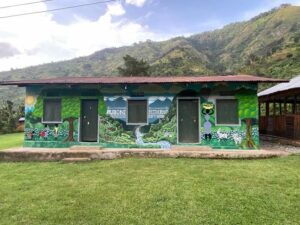
We take this opportunity to invite all travelers, tour agents, tour operators to visit Ruboni during your next trip, to experience the true nature and culture of Uganda. We will be happy to show you our unique way of life.
Have you thought about travel to Ssese island? After a long trip around Uganda that truly touched you and you feel your safari dreams were fulfilled, you will need a place to chill and process your memories for at least two days. This is when Ssese Island comes in the first place. A place in a unique art of Uganda where you will be close to nature, with good scenery and open views, the wind touching you from body to soul, in a habitat packed with nature shown to you by very hospitable staff as they serve you the ultimate Uganda’s tasty foods and drinks.
Generally known as Kalangala district, Ssese is an island district located in central Uganda. It is probably the most peaceful place you will find during your stay in Uganda. This makes it the suitable end to every trip around Uganda as one relaxes on the beaches or walks some of the richest forests in the country.
You will share the forest with the primates, parrots and other unique birds, and enjoy the cool breeze from lake Victoria. you can choose to do an adventure such as the quad biking or walking to view the local way of life. in all cases, you will be in a mix of forest canopy or open areas overlooking the lake with views of multitudes of islands at a distance
With a total of made up of 84 islands, Ssese offers one of the most beautiful landscapes showcasing a mix of African heritage in the architecture, culture, and wildlife on the different islands inside lake Victoria, Africa’s Largest freshwater lake shared by three countries of east Africa (Uganda/ Kenya/ Tanzania)
Travel to Ssese island is part of our exciting trek to Rwenzori mountains on a 7 day trek. You can find this trip in our itineraries as; Rwenzori- Queen Elizabeth – Ssese Islands 13 days trip around Uganda.
The travel of our guests to this Island paradise is commonly from Rwenzori Mountains (Ruboni community camp), and or Queen Elizabeth National park (The elephant home).
After your Rwenzori trek; as in our itinerary above, you will spend two nights in Queen Elizabeth looking for the animals and enjoying the scenery. specific activities include Kazinga channel boat cruise, wildlife safari on the Kasenyi tracks, exploring the local community encounters at Kikorongo, visiting the equator and others.
The actual travel to Ssese island form Queen Elizabeth National park takes you an estimate of 6.5 hours. the journey takes you through Mbarara, Masaka and Munyendo where you branch off towards lake Victoiria to catch the ferry at Bukakata landing site. These estimates are by private car, some details may vary if you choose to connect using public means.
the road is all tarmac all the way from Queen Elizabeth national park to Bukakata. after crossing the ferry, the road is Marrum but mainly in good condition (2024)
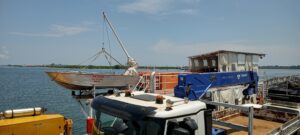
The ferry at Bukakata crosses every two hours. Each journey takes an estimate of 30-40 minutes to reach the island. The ferry takes between 9 and 19 cars, based on the size of car, and a large group of pedestrians who fill up the spaces in the top shelters and empty areas on the sides of the car park
On arrival at the landing site, the driver of every car intending to cross is required to register with their car, stating its registration number and the drivers name. After packing the car, all other passengers in the car are supposed to go to the gate that leads towards the ferry, and register their details including name, age, nationality and others. After the registration process, you can wait for the next ferry that will be loading.
Please note, you will let all the cars enter the ferry before the people can board. Since the ferry takes a limited number of cars, passengers will only board the ferry if their car was able to get space on the going route. Drivers are supposed to stay either close to their car during the crossing. This is so that they can quickly drive the car off the ferry on arrival.
It is free to cross on the ferry. The ferry is a large vessel that belongs to the Uganda National Roads Authority (UNRA). This is why it is free to cross on it. No payment will be required either for the car or people crossing on Bukakata ferry, unless there has been a special communication by government or change due to certain reasons.
The landing site at Bukakata is a place that has been prepared to comfortably accommodate passengers as they wait for the ferry to arrive. The landing site has places to seat, a toilet and urinal, both for males and females separately, and kiosks to buy snacks. The common snacks you can find there are biscuits, chapatis and Rolex, local food dishes, smoked fish, drinking water and other soft drinks.
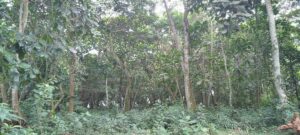
Forests: Ssese island is popular for her forests. The forests on this island are unique to the ones you will find on the mainland around Uganda. the unique wildlife in these forests include; parrots…… the palm farms also standout to most visitors especially Ugandans who have not seen these anywhere else in the country. the way people live alongside the forests or relate with wildlife is also a way to learn life on the island. most hotels will organize forest walks.
Sandy Beaches: remember, you wont find sandy beaches anywhere in Uganda, as it is a landlocked country. This is why Ssese makes the perfect end to every trip around Uganda. The islands have a large selection of beaches that can be explored endlessly. Almost every beach is unique and so enjoying each of them would not be boring. The key beaches on the island include; Kalangala beach, Ssosi Beach, Lutoboka Beach, Victoria Beach, Brovad sands Beach and others that you will discover. This allows guests to relax at the end before they fly, being that the island is also located close to Entebbe where most return flights take off.
Birding: Over 200 bird species await
Caves: Visit some of the ancient caves that are still being celebrated by generations due to the valuable historical majesty. The Kamuhuro cave is one of these caves. It is located close to Mwena village. The spirits in this cave were believed to have given life to the entire Ssese islands.
This cave is considered by traditionalists as a sacred place for praying and you may witness some local people praying during the visit. Say your prayer in silence during the visit, and who knows, you blessings may increase in the rest of your life.
You have to obey some rules such as no pictures, come barefoot, women must be out of their monthly cycle period etc, as you will listen to these ruled during the visit and before you’re permitted to enter the cave.
Besides the historical and stringent rules, the outlook and landscape arounf is full of nature and culture making it very fascinating. You will enjoy gazing and the local men or women smoking water pipes around the cave, and I hope you wont get tempted to try them out of excitement.
Wildlife: Ssese is uniquely endowed by wildlife, specifically animals of varied types dwelling in the forests, wetlands, grasslands and other varied habitats. This makes the island a nature lover’s paradise with specific consideration of the birders too. The island is home to over 200 bird species. During the visit, you will be impressed how these species coexists and how the resident community adopts to living with them to be able to keep such a rich ecosystem over the years.
These are some of the key bird species that you have a chance to spot on the islands among the 200 species;
This island is also home to varied reptiles. Hey include the following;
Primates are very common in the forests. They will be spotted very close and in dome lodges they will walk just past guests (especially the vervet monkeys) the common primates that you may include;
Ssese is also a haven of mammals with unbelievably large varieties including those you wouldn’t imagine were here. How much you find of these will depend on the level of exploration and how deep one goes in nature. The key species you can find include; Hippos, Antelopes and other small mammals.
Speke fort Monument: Now in ruins is an exciting place to visit. Since the 1863 when he settled around the Lutoboka forest as you will witness the ruins of his house in the middle of a very rich forest. With a guide, you will listen to the historical stories and traditional belief around this port while enjoying the enormous beauty of the natural forest around it. John speke is one such remembered explorer who discovered the source of the Nile in Jinja.
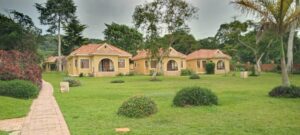
Ssese Islands have many options of hotels to stay in spread over the different islands. The accommodation options cater for all budget levels and interests, from shoestring to luxury. Mirembe Resort beach Hotel is such a catch that is liked by most people. The list of places to stay include;
You can contact us to book or tailor your trip to Uganda, visit to the Ssese Islands or any activity of your choice and all will be easily arranged.
Did you now that you pay less and get more at the Rwenzori home stay? It is suited for guests who want to explore the Rwenzori Mountains by staying in the foothills overlooking the portal peaks of Rwenzori mountains. Here is how it works.
When you stay at Rwenzori home stay, you get an opportunity to learn the local way of life at no extra pay. farming, living, cooking and visiting the different places of the village as you mix with the locals, that treat you as just one of them. However, Ruboni Tourism village also offers up to ten other paid activities in case you want to participate in something outside the homestay.
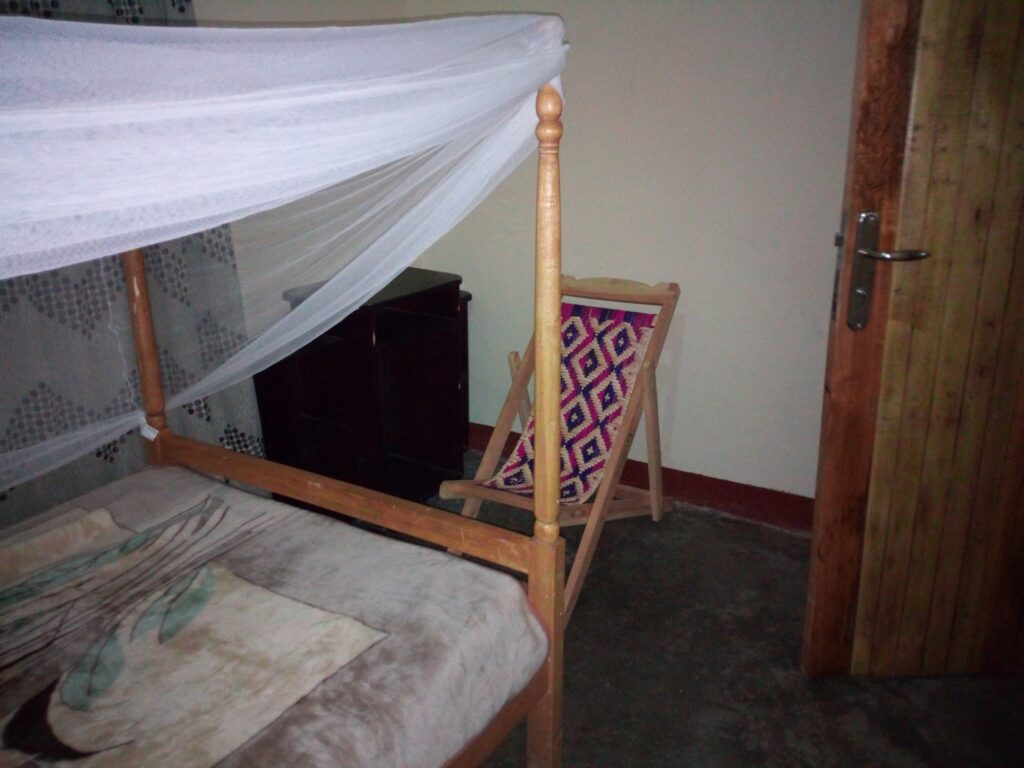
unlike in other accommodations, at Rwenzori home stay, you can also arrange all your Rwenzori trekking activities and no extra costs. the trekking activities you can arrange while you stay at the home stay include;
The food at Rwenzori home stay is mainly organic. the prepare both vegetarian and non vegetarian meals. most of the food is harvested from the family garden at home. Guests who love farming can also participate in gardening or harvesting some of the food.
Rwenzori home stay is located in Ruboni village, next to Mihunga gate to Rwenzori Mountains National Park. located 26km from Kasese town, it is accessible by good road. you branch off Nkenda electric terminal on Kasey-Fortportal road. you can also find it on google maps if you search on this link. For those who want to use the Ruboni village map, you will be able to find more accommodations and activities you can participate in while you stay in Ruboni.
Rwenzori home stay has several spare rooms that are available for accommodation. each room can take up to two people. the rooms are private and lockable. each room has a charging outlet where guests can charge their gadgets all the time. The guests share the living room, meals and bathroom. with running water, the home has flushing toilets and overhead showers. in the balcony, you can sit and view the portal peaks of the Rwenzori mountains. the home offers a store to keep your extra luggage when you go up the mountains and nothing will be charges for this service.
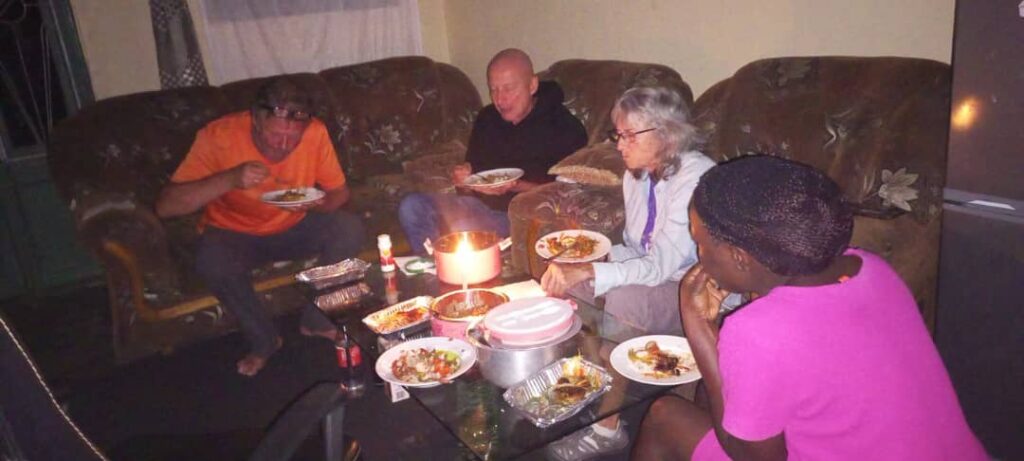
Rwenzori home stay is a subscriber of the Ruboni tourism village initiative. it is not cash only. when you stay, you can choose to pay by cash or credit card. the credit card link will be provided on request, or you can pay to the Point of sale machine at the community office, in front of the home stay, before or after checking in. if you have a Ugandan mobile number, it is also possible to pay by mobile money from your phone account.
Rwenzori home stay is located in Ruboni village. This village is located in the Rwenzori foothills. The area receives much more rain than Kasese town, which is known to be dry as it is flat and located next to the equator. Ruboni receives two dry seasons. These are, June – August and January – March. the rest is commonly rainy. because of climate change it can be sometimes challenging to be certain about the weather at different times of the year.
Since Ruboni receives more rain than sun and almost all cold nights, we encourage all visitors to Rwenzori home stay to come with rain gear and warm clothing. For those planning to trek Rwenzori mountains, a packing list can be provided on request or along the Rwenzori trekking itinerary/ quote.
For trekkers to the Rwenzori mountains looking for Rwenzori accommodation, we got a perfect camping and room options with ten properties to choose from. Select from the list bellow.
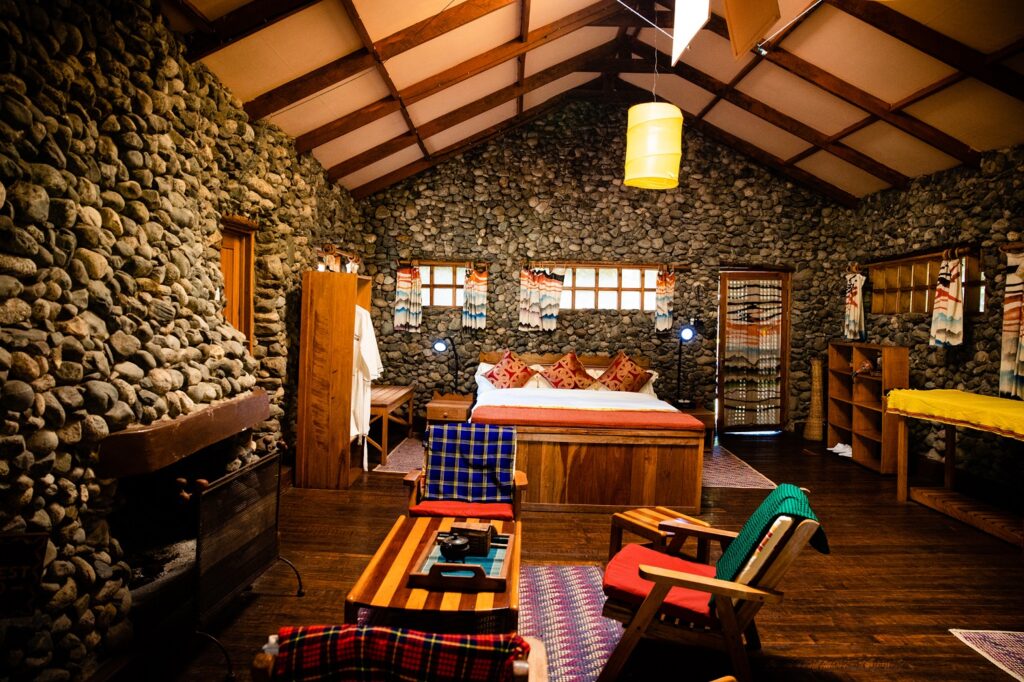
Besides the above accommodations, we have perfect camping options. It is located 2km from the park gate, and accessible by road, with the following amenities;
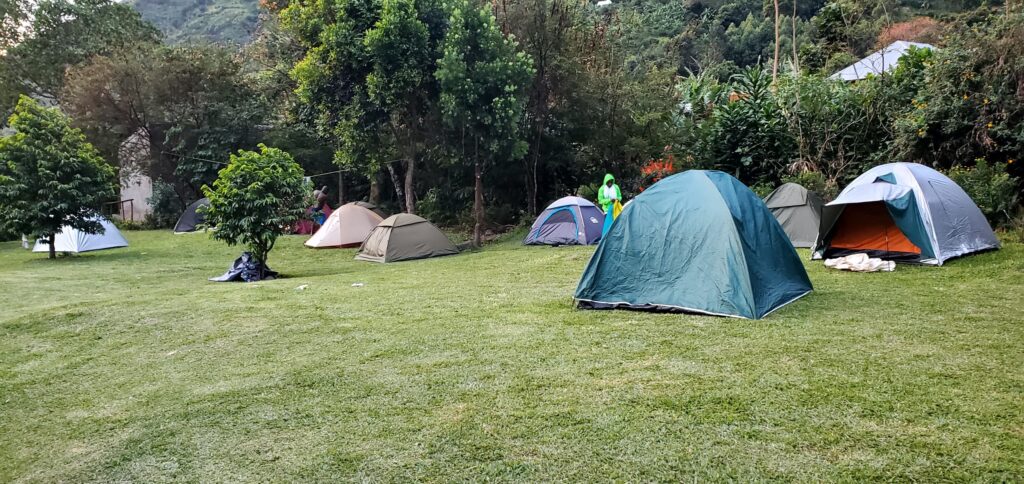
All these hotels and campground are located in the Rwenzori gateway, on the trailhead to the park entry gate. They are all outside the park and you don’t need park entrance fee to stay in them. All accommodations listed above offer meals, bars and information about Rwenzori mountains trekking. they also promote the community tours and experiences offered by Ruboni tourism village. the have running water, and electricity for light and charging
What can you d while you stay?
The community campground is the starting point for all village tours, cultural experiences and treks to the Rwenzori mountains lower and high peaks. From this base, you will find arrange of tours and activities you can participate in within the community, without paying park entrance fees. These include;
For those who want to go on the Rwenzori Mountains, you have five options of trekking. These include nature walks, trekking on the lower slopes and then trekking to the high peaks.
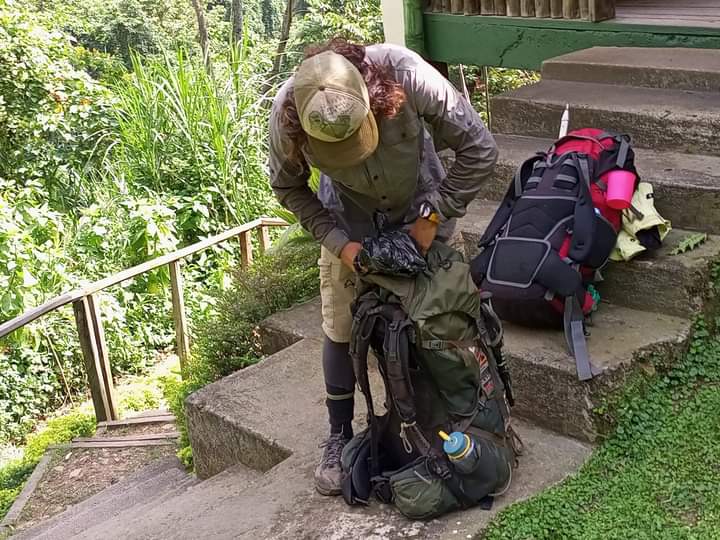
Here are the mountain trekking options
These are several reasons why every traveler to Uganda must visit the Ruboni tourism Village.
1.Authentic Cultural Experience: Ruboni Tourism Village provides a unique opportunity to immerse yourself in the local Bakonzo culture. The village is home to the Bakonzo people, who are known for their traditional farming practices, dance performances, and storytelling. Visitors can engage with the community, participate in cultural activities, and gain insights into their way of life.
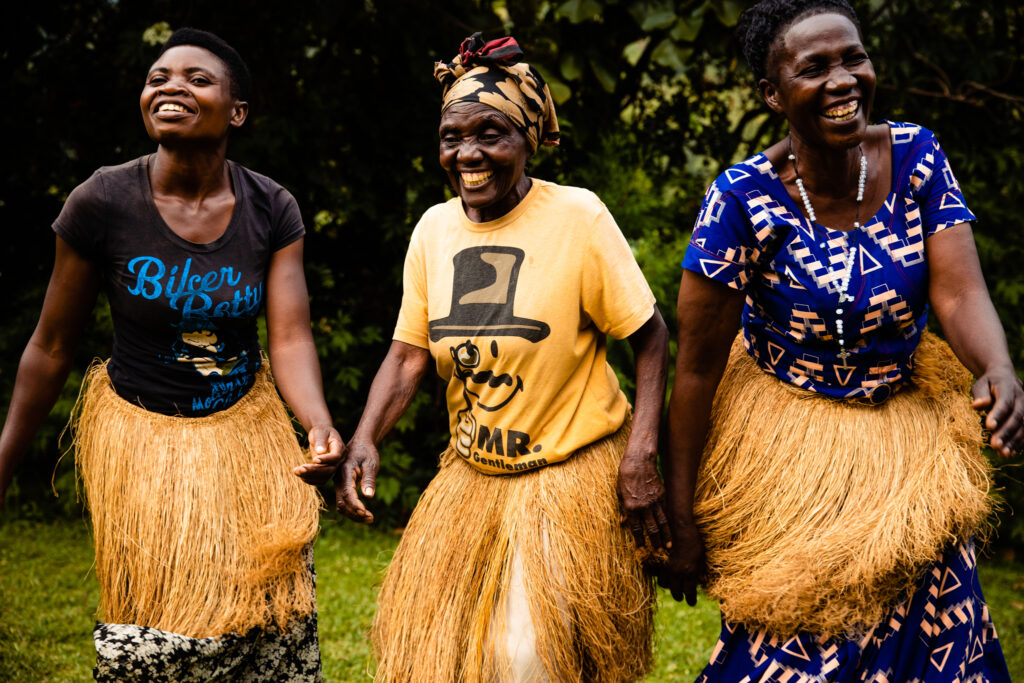
2.Traditional Craftsmanship: Ruboni Tourism Village is renowned for its skilled craftsmen who specialize in producing traditional artifacts and handicrafts. You can witness the process of making handmade items such as baskets, woodcarvings, and traditional musical instruments. Purchasing these crafts directly from the artisans not only supports the local economy but also allows you to take home unique and authentic souvenirs.
3.Eco-Tourism and Nature Conservation: The Ruboni Tourism Village promotes eco-tourism practices and strives to protect the natural environment. The village is situated at the foothills of the Rwenzori Mountains, surrounded by pristine forests and scenic landscapes. Guided nature walks and hikes are available, allowing visitors to appreciate the beauty of the region while learning about sustainable conservation efforts.
4.Mountain Climbing and Trekking: Ruboni Tourism Village serves as a gateway to the Rwenzori Mountains, offering various trekking and mountain climbing opportunities. Experienced guides from the local community can lead you on exhilarating adventures, taking you through stunning alpine valleys, crystal-clear streams, and challenging terrains. The trekking routes cater to different skill levels, providing options for both beginners and seasoned hikers. for those who dont want to go very long on the high peaks, short time hiking is available on the 3 days Mahoma trek, 5 days wilderness camping on bukurungu trail or peak climbing on weismann peak that doesn’t require technical climbing skills.
5. Homestay Accommodations: To enhance the cultural experience, Ruboni Tourism Village offers homestay accommodations. By staying with a local family, you can experience the warmth of Bakonzo hospitality firsthand. It allows you to immerse yourself in the local customs, enjoy traditional meals, and gain deeper insights into their daily lives.
6. Community Empowerment: The tourism initiatives in Ruboni are community-driven, aiming to empower the local population economically and socially. The revenue generated through tourism activities directly benefits the community, supporting education, healthcare, and infrastructure development projects. By visiting Ruboni Tourism Village, you contribute to sustainable development
supporting education, healthcare, and infrastructure development projects. By visiting Ruboni Tourism Village, you contribute to sustainable development and make a positive impact on the lives of the local people.
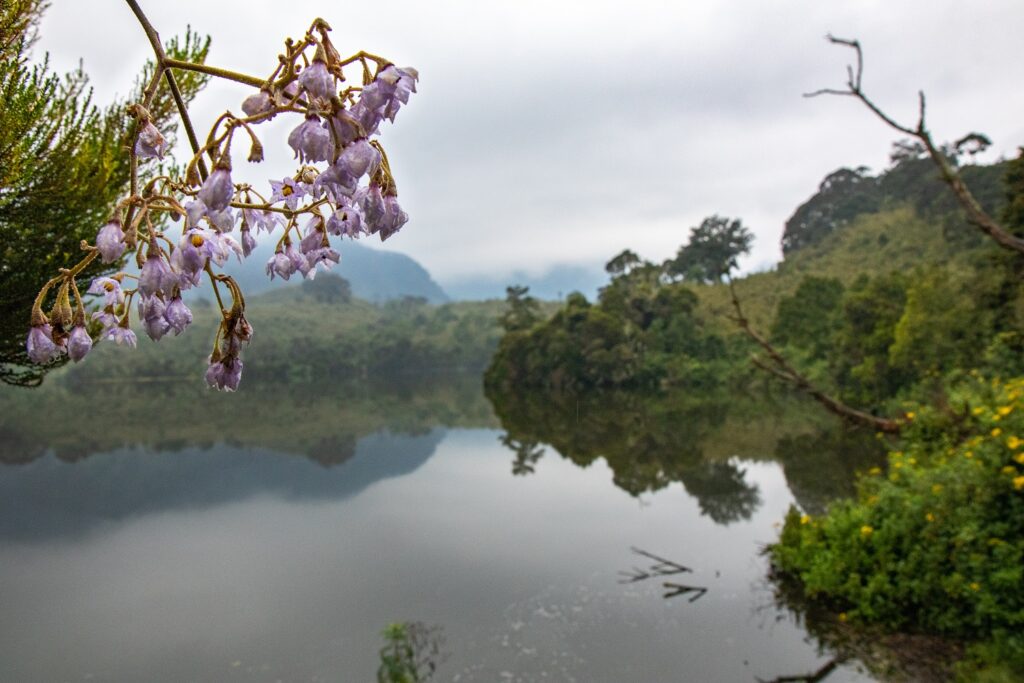
7. Scenic Beauty and unique Photography Opportunities: The landscapes surrounding Ruboni Tourism Village are incredibly picturesque, with breathtaking views of the Rwenzori Mountains, cascading waterfalls, and lush greenery. Whether you’re an avid photographer or simply enjoy capturing beautiful moments, the village provides numerous opportunities to capture stunning images and create lasting memories.
8. A birders paradise: In Ruboni village, you will be exploring a bird-list of over 217 bird species. this includes 19 Albertine Rift endemics that you may have a chance to spot. Some clients have spotted the Rwenzori Turaco in the community forest even without entering inside the park. Some other common birds will include; Grey headed sparrow, Bronze sun bird, Yellow vended bulbul, African Dysicky fly catcher, Speckled mouse bird, Red Eyed Dove, African Thrush, Black headed Weaver, African pied wagtail, and many more as you can see on this Bird list of Ruboni village
Visiting Ruboni Tourism Village offers a blend of cultural immersion, natural beauty, adventure, and community support. It is a chance to experience the authentic charm of the Rwenzori region and make a positive difference in the lives of the local community.
Here is the bird list for Ruboni village.